

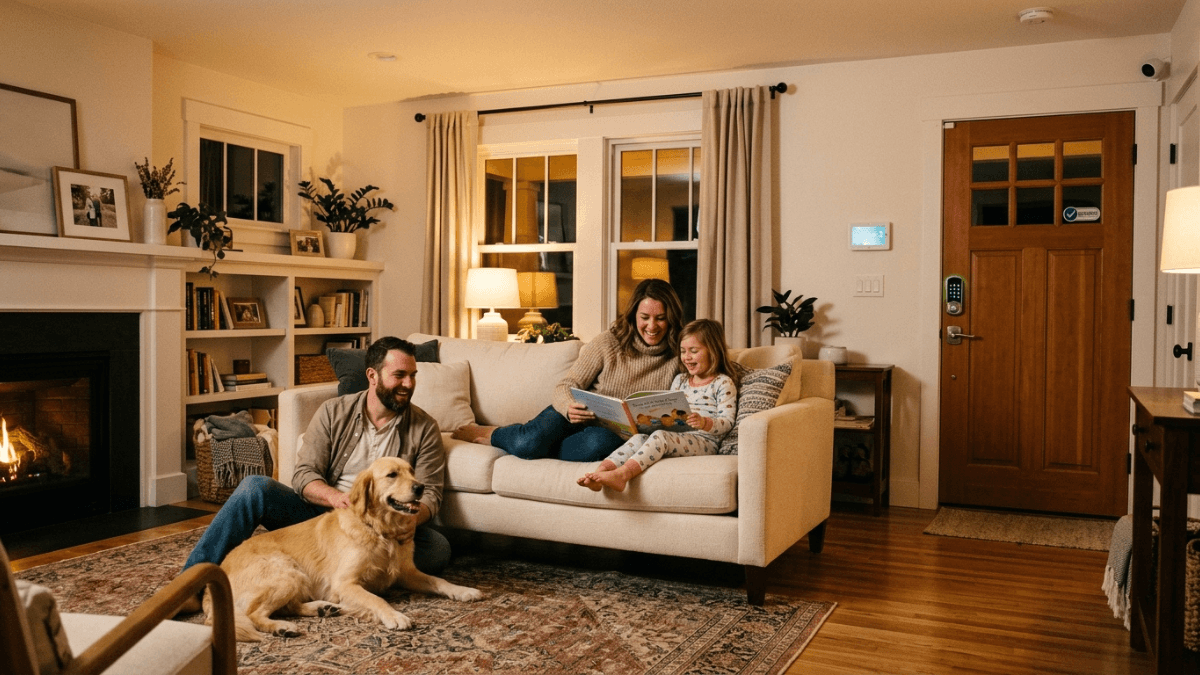
Creating a comfortable home is about more than attractive furniture, warm lighting, and personal decorations. Inviting safety at home means building an environment where people can relax while sensible precautions quietly protect everyone from common household risks.
What Does Inviting Safety at Home Mean?
Inviting safety at home combines security with comfort instead of making a house feel restrictive or uncomfortable. A safe home should still feel warm and lived-in, while everyday features such as clear walkways, secure doors, good lighting, and working alarms provide protection in the background.
Safety also depends on habits. Locking doors, checking appliances, keeping emergency supplies accessible, and dealing with small hazards before they become serious problems can make a meaningful difference. These simple actions require little effort but can prevent avoidable accidents.
| Quick Overview | Details |
|---|---|
| Topic | Inviting Safety at Home |
| Main Focus | Household safety and comfort |
| Suitable For | Families, couples, homeowners, renters |
| Key Areas | Security, fire safety, falls, children, visitors |
| Goal | A welcoming and safer living environment |
Keep Entrances Secure and Welcoming
The entrance is one of the first areas to consider when creating a safer home. Exterior doors should have reliable locks, sturdy frames, and enough lighting to make the approach visible at night. A well-maintained entrance can provide security without making visitors feel unwelcome.
Avoid leaving spare keys in obvious locations such as beneath a doormat or inside a nearby plant pot. If several trusted people need access, consider a secure key system or another controlled method rather than hiding keys outdoors.
Improve Lighting Around the Home
Good lighting can reduce the risk of trips, falls, and unwanted activity around your property. Place suitable lights near entrances, stairs, hallways, driveways, and other areas where people regularly walk after dark.
Inside the house, avoid extremely bright lighting that makes rooms feel harsh. Soft but sufficient illumination can make a space comfortable while still allowing people to see steps, furniture, doorways, and other potential obstacles.
Create Clear Walking Paths
Furniture should provide comfort without blocking the natural routes people use to move around the house. Keep electrical cords, bags, shoes, toys, and other loose objects away from stairs and frequently used walkways.
Rugs can add warmth and personality to a room, but unsecured rugs may become a tripping hazard. Use appropriate non-slip backing where necessary, especially in homes with young children or older adults.
Make Fire Safety Part of Everyday Living
A welcoming home also needs reliable protection against fire. Smoke alarms should be installed in appropriate areas and tested regularly to make sure they are working correctly. Batteries or other power sources should be replaced according to the manufacturer’s guidance.
Keep cooking areas clear of unnecessary objects and never leave active cooking unattended. Everyone in the household should know the safest way to leave the home during an emergency and where to meet outside.
Make the Kitchen Safer
The kitchen contains several everyday hazards, including hot surfaces, sharp utensils, electrical appliances, and cleaning products. Store knives and other sharp tools safely, particularly when children are present.
Keep appliance cords away from sinks, hot surfaces, and areas where they can be pulled accidentally. Regularly inspect plugs and cords for visible damage, and avoid overloading electrical outlets with multiple appliances.
Think About Children and Visitors
Inviting safety at home should consider people who may not know the layout of your house. Children can quickly become interested in items adults barely notice, while visitors may not know where steps, glass doors, or other hazards are located.
Store medicines, chemicals, matches, and other potentially dangerous household products where children cannot easily access them. When guests arrive, simple guidance about stairs, pets, bathrooms, or other relevant areas can help everyone feel more comfortable.
Protect Bathrooms From Slips
Bathrooms can become dangerous because water creates slippery surfaces. Non-slip mats, suitable grab points, and dry floors can help reduce the likelihood of falls, particularly around showers and bathtubs.
Keep electrical appliances away from water and unplug them when they are not being used. A small bathroom can also become crowded quickly, so keeping unnecessary items off the floor makes movement easier and safer.
Secure Windows and Balconies
Windows and balconies deserve extra attention in homes with children or pets. Make sure windows are properly maintained and use suitable safety measures where needed without preventing emergency escape.
Balconies should remain free from unstable furniture or objects that could create climbing opportunities. Regularly inspect railings and other structural features for signs of damage or looseness.
Use Smart Devices Carefully
Security cameras, smart locks, motion sensors, and connected alarms can add useful layers of protection. However, these devices should be installed and configured carefully, with strong passwords and appropriate account security.
Technology should support good household habits rather than replace them. A smart lock cannot compensate for a damaged door, and a connected smoke alarm is still only useful when it is properly installed, powered, and maintained.
Keep Emergency Supplies Accessible
Every home benefits from having basic emergency supplies in a known location. A suitable kit may include essential first-aid items, flashlights, spare batteries, important contact information, and other supplies appropriate for the household.
Do not hide emergency equipment so thoroughly that nobody can find it when needed. Tell family members where important supplies are kept and periodically check stored items to make sure they remain usable.
Be Careful With Electrical Equipment
Electrical problems can create serious risks, especially when damaged equipment or overloaded outlets are ignored. Replace damaged cords and plugs instead of continuing to use them, and follow the instructions supplied with electrical products.
Avoid placing electrical equipment where it can easily get wet or become overheated. If an electrical issue repeatedly occurs, have it assessed by a qualified professional rather than attempting an uncertain repair yourself.
Build Safety Into Your Daily Routine
The most effective approach to inviting safety at home is to make sensible precautions part of normal life. Check doors before going to bed, keep important pathways clear, turn off appliances when appropriate, and deal with small problems before they grow.
A safe home does not need to look like a security facility. When safety features are thoughtfully integrated into lighting, furniture placement, storage, and everyday routines, they can protect the household while preserving the warmth and personality that make a house feel like home.
How to Make Safety Feel Comfortable
Safety becomes more inviting when it works naturally with the design of a room. Instead of leaving equipment scattered around, choose practical storage solutions that keep necessary items accessible without creating clutter.
You can also involve household members in maintaining the space. Simple routines such as putting belongings away, checking alarms, closing doors, and reporting damaged equipment can turn safety into a shared responsibility rather than a constant source of worry.
Final Thoughts on Inviting Safety at Home
A comfortable home and a safe home do not have to be separate goals. Inviting safety at home comes from small, thoughtful decisions that protect people while allowing the space to remain warm, personal, and enjoyable.
Start with the basics: secure entrances, sufficient lighting, clear paths, reliable alarms, safer storage, and sensible electrical habits. Once these foundations are in place, regular checks and good household routines can help keep your home both welcoming and secure.
