

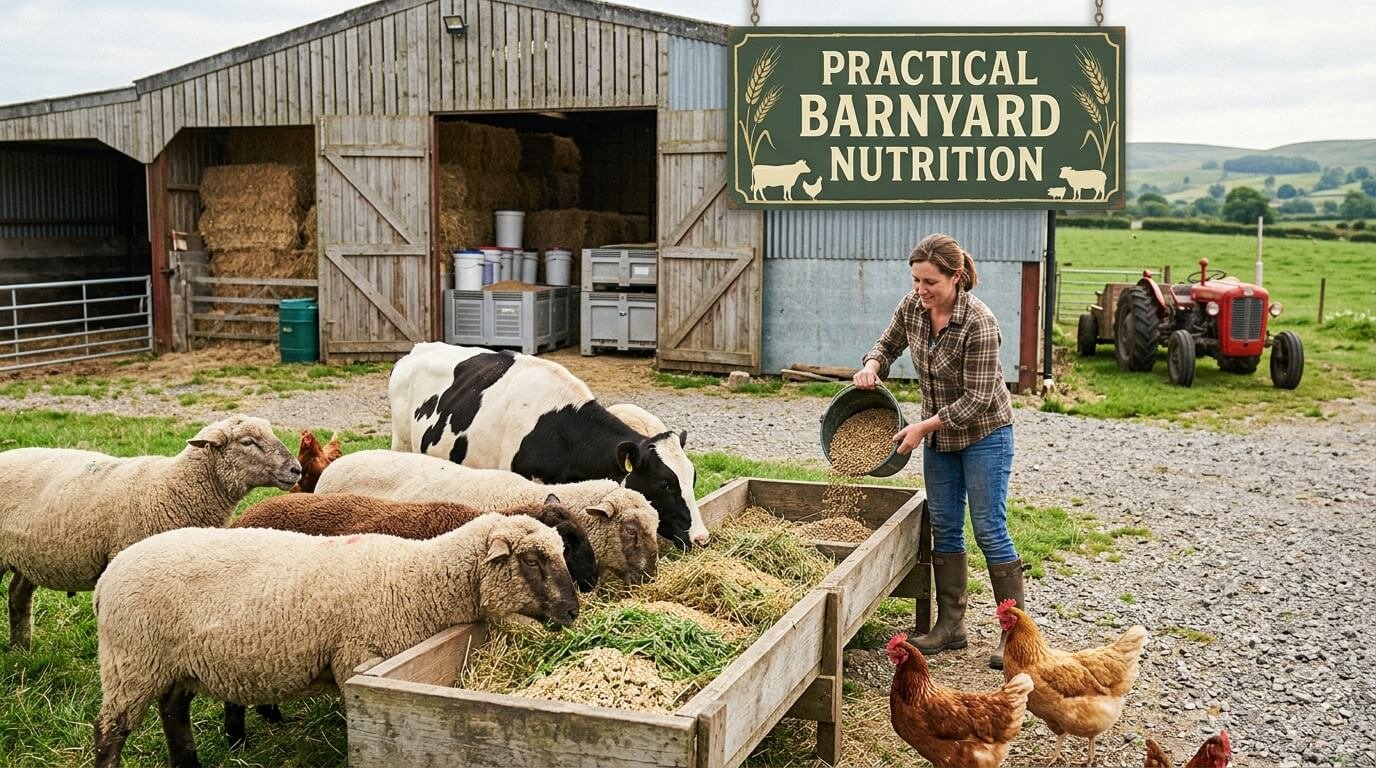
Practical barnyard nutrition is about providing farm animals with the right combination of nutrients for growth, energy, reproduction, and everyday health. Whether a barnyard includes chickens, goats, sheep, cattle, pigs, or other livestock, good feeding practices can make a noticeable difference in animal condition and productivity.
The basic principle is simple: animals need balanced food, clean water, appropriate minerals, and enough energy to meet their daily needs. However, nutritional requirements vary considerably between species, ages, sizes, production stages, and living conditions.
Why Practical Barnyard Nutrition Matters
Proper nutrition provides the foundation for healthy livestock and poultry. Animals that consistently receive suitable nutrients are generally better equipped to maintain body condition, develop normally, reproduce successfully, and handle everyday environmental challenges.
Poor feeding practices can have the opposite effect. Inadequate protein may slow growth, while insufficient energy can cause weight loss and weakness. Excessive grain or sudden dietary changes can also create digestive problems, making balanced feeding an important part of responsible barnyard management.
| Category | Key Information |
|---|---|
| Main Purpose | Support growth, health, reproduction, and productivity |
| Essential Nutrients | Protein, carbohydrates, fats, vitamins, and minerals |
| Most Important Drink | Fresh, clean water |
| Common Feed Sources | Forage, grains, hay, vegetables, and formulated feeds |
| Important Consideration | Diet should match the animal species and life stage |
| Feeding Goal | Balanced nutrition without unnecessary excess |
Understanding the Main Nutrients
A useful approach to practical barnyard nutrition begins with understanding the major nutrients animals require. Energy is mainly supplied by carbohydrates and fats, while protein provides amino acids needed for muscle, tissue development, enzymes, and other essential biological functions.
Vitamins and minerals are required in smaller quantities but remain extremely important. Calcium and phosphorus, for example, contribute to strong bones and normal development, while other minerals support reproduction, metabolism, and immune function.
Energy for Daily Activity
Animals need energy to walk, maintain body temperature, digest food, grow, and perform other normal activities. Working animals, growing young stock, pregnant animals, and lactating females can require considerably more energy than mature animals with lower demands.
Common energy sources include grains, forage, roots, and other suitable feeds. The right amount depends on the species and its condition, because excessive energy intake can contribute to obesity and related health problems.
Protein for Growth and Production
Protein is especially important for young animals because their bodies are developing rapidly. It is also important for animals producing milk, eggs, or meat, as these processes increase nutritional demands.
Good protein sources vary according to the animal and available feed ingredients. Legumes, oilseed meals, certain grains, pasture plants, and formulated feeds may contribute protein when used appropriately within a balanced diet.
The Importance of Forage
For many barnyard animals, forage is a major part of a healthy diet. Grass, hay, pasture plants, and suitable browse can provide fiber along with energy and other nutrients. Fiber is particularly important for ruminants such as cattle, sheep, and goats.
Good-quality hay should be clean, properly stored, and free from visible mold. Pasture should also be managed carefully so animals have access to suitable plants without excessive exposure to poisonous vegetation or severely damaged grazing areas.
Practical Barnyard Nutrition and Clean Water
Water is sometimes overlooked when discussing animal feeding, but it is one of the most important parts of practical barnyard nutrition. Every animal needs regular access to clean and reasonably fresh water for digestion, temperature regulation, circulation, and normal body functions.
Water requirements can increase during hot weather, lactation, illness, or periods of increased activity. Containers should be checked regularly because algae, dirt, feed particles, and other contaminants can reduce water quality and discourage animals from drinking.
Feeding Different Barnyard Animals
Different species have different digestive systems, so one feeding strategy should not automatically be applied to every animal. Cattle, goats, and sheep are ruminants and depend heavily on fiber-rich feeds, while pigs have different nutritional requirements and chickens need carefully balanced poultry diets.
Age also matters. Young animals generally require diets that support rapid development, while mature animals may need maintenance diets. Pregnant and lactating animals often require additional energy, protein, minerals, and water to meet increased physiological demands.
Feeding Chickens
Chickens require a balanced supply of protein, energy, vitamins, and minerals. Growing chicks need feeds designed for development, while laying hens have additional nutritional needs associated with egg production.
Clean water should always be available, and feed should be protected from moisture and contamination. Sudden changes in feed can also cause unnecessary digestive disturbance, so dietary changes are best introduced gradually.
Feeding Goats and Sheep
Goats and sheep generally benefit from good-quality forage, hay, and appropriately selected supplemental feeds. Their diets need sufficient fiber, while mineral requirements should be considered according to local conditions and the animals’ stage of life.
Goats are natural browsers and may consume a wider variety of plants than sheep, but that does not mean every plant is safe. Barnyard owners should learn which plants in their grazing areas may be toxic and prevent animals from accessing dangerous vegetation.
Feeding Cattle
Cattle depend heavily on forage and fiber, particularly when maintained on pasture or hay-based diets. Depending on age, production level, and body condition, cattle may also receive concentrates or other supplemental feeds.
Changes involving high-energy feeds should be handled carefully. Gradual introduction allows the digestive system more time to adjust and can reduce the risk of nutritional problems associated with abrupt dietary changes.
Minerals and Supplements
Mineral needs can differ significantly between animals and locations. Soil conditions, forage composition, animal age, and production stage can all influence whether supplementation is appropriate.
Instead of giving supplements without a clear reason, farmers should consider the complete diet and, when necessary, seek guidance from a veterinarian, livestock nutritionist, or agricultural extension professional. More of a nutrient is not always better, and some minerals can become harmful when consumed in excessive amounts.
Safe Feed Storage
Good nutrition also depends on proper feed storage. Grain, pellets, hay, and other feeds should be protected from rain, excessive humidity, pests, and contamination. Spoiled or moldy feed should not be offered simply because it would otherwise go to waste.
Storage areas should remain clean and dry, with older feed used before newer supplies whenever practical. Rodent and insect control can also help reduce contamination and unnecessary feed losses.
Common Feeding Mistakes to Avoid
One common mistake is feeding based only on quantity instead of nutritional quality. A large amount of feed does not necessarily provide the correct balance of protein, energy, minerals, and fiber.
Another mistake is changing diets too quickly. Animals can react poorly to sudden changes, particularly when a new feed replaces a familiar diet in large amounts. Gradual transitions, clean water, suitable forage, and regular observation can make feeding routines safer and more consistent.
Building a Simple Feeding Routine
A practical routine begins with identifying each animal’s species, age, body condition, and production stage. From there, the available forage and other feeds can be evaluated to determine whether the overall diet supplies the required nutrients.
Animals should be observed regularly for changes in appetite, weight, activity, coat or feather condition, manure, and general behavior. These observations can provide useful early clues that something in the diet or management routine may need attention.
Frequently Asked Questions
What is practical barnyard nutrition?
Practical barnyard nutrition means providing farm animals with suitable amounts of energy, protein, fiber, vitamins, minerals, and water according to their individual needs. It combines sound feeding principles with careful observation and proper feed management.
What is the most important part of an animal’s diet?
There is no single nutrient that is most important for every situation, but clean water is essential for all farm animals. A complete diet must then provide appropriate energy, protein, fiber, vitamins, and minerals based on the species and life stage.
Can all barnyard animals eat the same feed?
No. Different species have different digestive systems and nutritional requirements. Feed designed for chickens, cattle, goats, pigs, or other animals should not automatically be substituted between species without confirming that it is appropriate.
How can farmers improve barnyard nutrition?
Farmers can improve feeding by providing clean water, good-quality forage, suitable supplemental feed, necessary minerals, and safe storage. Regularly monitoring body condition and adjusting diets according to age and production stage can also improve results.
Why should feed changes be made gradually?
Gradual feed changes give animals time to adjust to new ingredients and nutritional levels. Abrupt changes can disturb digestion and may increase the risk of feeding-related problems, particularly when large amounts of concentrates are introduced.
Final Thoughts on Practical Barnyard Nutrition
Practical barnyard nutrition does not have to be complicated. The strongest foundation is a balanced diet suited to each species, reliable access to clean water, good-quality forage, safe feed storage, and regular observation of animal condition.
When nutritional decisions are based on the animal’s age, size, health, production stage, and available feed resources, barnyard management becomes more consistent. For diets involving significant supplementation or animals with unusual nutritional needs, professional veterinary or livestock nutrition advice can provide valuable guidance.
